Traveler Search Q & A
Top 10 European and Asian Traveler Search Queries
Key concerns: Food requirements (Vegetarian/Jain/Halal), family suitability, eTA rules, and flight connections.
1. “Can I get vegetarian and Jain food on a Kenya safari?”
Answer: Yes, absolutely. Major safari lodges and luxury tented camps across the Maasai Mara, Amboseli, and Lake Nakuru regularly cater to Indian dietary preferences. When booking through a licensed operator, you can pre-request strict Pure Vegetarian or Jain meals (cooked without onions, garlic, or root vegetables). High-end safari properties like Serena, Sopa, and Sarova have dedicated chefs trained in Indian cuisine. For smaller bush camps, notifying your operator 14 days prior ensures ingredients are stocked.
2. “Do Indian citizens need a Yellow Fever vaccination for Kenya?”
Answer: Yes. The Government of India mandates that all travelers returning from or transiting through Yellow Fever-endemic countries (which includes Kenya) must present a valid International Certificate of Vaccination or Prophylaxis (ICVP) for Yellow Fever upon arrival back in India. The vaccine must be administered at least 10 days prior to departure at an authorized government yellow fever vaccination center. You will also need to show this certificate at airport health check-in counters.
3. “What is the process for Indian passport holders to apply for a Kenya eTA?”
Answer: Kenya replaced traditional visas with an Electronic Travel Authorization (eTA) system. Indian travelers must apply online at the official portal (www.etakenya.go.ke) at least 3 to 7 days before travel. You will need a valid passport (minimum 6 months validity), a passport-style photo, flight itineraries, and hotel booking confirmations. The eTA processing fee is approximately $30–$35 USD, and once approved, it is linked digitally to your passport. Print a physical copy to show at immigration control.
4. “Is a Kenya safari safe and comfortable for elderly parents and young children?”
Answer: Yes, Kenya is very welcoming to multi-generational family travel. To keep elder travelers comfortable, opt for a Fly-in Safari (utilizing domestic flights from Wilson Airport in Nairobi directly to bush airstrips) to avoid long, bumpy road transfers. Customized 4×4 Land Cruisers feature wide pop-up roofs, charging ports, and comfortable suspension. Ensure your family lodges have step-free access, enclosed glass-windowed rooms (rather than ground canvas tents if preferred), and on-site medical staff.
5. “How many days are needed for a classic Kenya safari and beach holiday from India?”
Answer: A 7 to 10-day itinerary is ideal for Indian travelers:
-
Days 1–2: Arrive in Nairobi, visit the Giraffe Centre and David Sheldrick Wildlife Trust.
-
Days 3–5: Fly or drive to the Maasai Mara for 3 nights (Game drives and Big Five tracking).
-
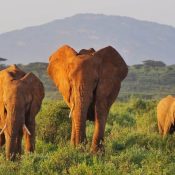
Days 6–7: Lake Nakuru or Amboseli National Park (Kilimanjaro views & elephant herds).
-
Days 8–10: Direct flight to Diani Beach for coastal relaxation before flying back home via Nairobi.
6. “What is the direct flight duration from Mumbai or Delhi to Nairobi?”
Answer: Non-stop flights operating from Mumbai (BOM) to Nairobi (NBO) via Kenya Airways take approximately 5 hours to 6 hours. Connecting flights via Gulf carriers (Emirates, Qatar Airways, Etihad) from cities like Delhi, Bengaluru, or Ahmedabad usually take between 8 to 11 hours with a layover in Dubai, Doha, or Abu Dhabi.
7. “Which safari camps in the Maasai Mara are best for Indian families?”
Answer: Family-friendly camps with fenced perimeters, dedicated family suites, and flexible dining include:
-
Sarova Mara Game Camp (Fenced, excellent Indian buffet options, large pool).
-
Ashnil Mara Camp (Prime location along the Mara River with family tents).
-
Mara Serena Safari Lodge (Perched on a hill with high security and expansive kids’ activities).
8. “Can I bring my own Indian snacks (Theplas, Khakhra) on safari?”
Answer: Yes! Sealed, pre-packaged dry snacks like theplas, khakhra, and dry fruits are allowed through customs and are great to carry on long early-morning game drives. However, fresh fruits, cooked unpackaged meats, and home-cooked fresh meals are prohibited at airport customs. Always pack snacks in sealed, airtight containers to keep insects away inside bush rooms.
9. “What is the best time for Indian travelers to visit Kenya for the Great Migration?”
Answer: The peak Great Migration in the Maasai Mara occurs between late July and October. During this window, over 1.5 million wildebeest and zebras cross the Mara River from the Serengeti. Because this coincides with summer holidays and peak travel seasons, safari bookings for July to September should be secured 4 to 6 months in advance.
10. “How much does a 5-day Kenya safari cost per person from India in INR?”
Answer: Costs depend on accommodation tier:
-
Budget Safari: ₹120,000 to ₹180,000 INR per person (Minivan transport, public park campsites/budget lodges).
-
Mid-Range Safari: ₹220,000 to ₹350,000 INR per person (Private 4×4 Land Cruiser, 4-star lodges, full board).
-
Luxury Safari: ₹450,000 to ₹800,000+ INR per person (Fly-in safaris, 5-star luxury canvas camps, private guides).
East & Southeast Asia Section: Top 10 Search Queries
Key concerns: Chinese language support, photography setup, WeChat/Alipay, high-end wildlife photography, and safety.
11. “Are there Mandarin-speaking tour guides available for Kenya safaris?”
Answer: Yes. Top safari operators in Kenya employ certified local driver-guides who speak fluent Mandarin. Due to high demand during peak months (July–August), Mandarin-guided private 4×4 vehicles must be reserved well in advance. Alternatively, agencies can provide dedicated Chinese-speaking tour leaders for group charters.
12. “What camera gear and lens rules apply for wildlife photography in Maasai Mara?”
Answer: To capture wildlife safely and clearly, bring a camera body with high-speed continuous shooting and a telephoto lens ranging from 100-400mm or 200-600mm. Drones are strictly illegal in all Kenyan National Parks and Reserves without explicit written permission from the Kenya Civil Aviation Authority (KCAA) and Kenya Wildlife Service (KWS). Unlicensed drones will be confiscated at the airport.
13. “Can I use WeChat Pay or Alipay in Kenya?”
Answer: Major international hotels, duty-free airport shops, and select Chinese-owned establishments in Nairobi accept WeChat Pay and Alipay. However, local safari lodges, park gates, souvenir markets, and tip distribution operate strictly on USD cash (bills printed after 2013), Visa/Mastercard, or Kenya’s local mobile money platform, M-PESA.
14. “When is the exact time to shoot the Mara River wildebeest crossing?”
Answer: The dramatic river crossings usually take place between early August and mid-September. However, animal movements depend entirely on annual rainfall patterns. For optimal photography opportunities, stay at a camp located inside the Mara Triangle or near main crossing points (such as Lookout Hill or Serena Crossing) to minimize transit times during early morning light.
15. “Is Kenya safe for solo female travelers from Asia?”
Answer: Yes, Kenya is generally safe for solo travelers when using accredited safari operators and reputable transport services (such as Uber or hotel-arranged drivers in urban areas). Avoid walking alone at night in major cities like Nairobi or Mombasa. Inside safari parks, safety is very high, as guests remain accompanied by trained guides and camp security (Askaris).
16. “What is the difference between a 4×4 Land Cruiser and a Safari Minivan?”
Answer:
| Feature | 4×4 Safari Land Cruiser | Safari Minivan (Van) |
| Off-road ability | Superior in heavy mud & rough terrain | Basic; can get stuck in heavy rains |
| Comfort | High suspension, individual window seats | Moderate |
| Cost | Premium (~20–30% higher cost) | Budget-friendly |
| Best For | Professional photography, deep bush | Budget travelers, flat dirt roads |
17. “Where can I see the ‘Big Five’ and ‘Samburu Special Five’ in one trip?”
Answer: Combine Samburu National Reserve with the Maasai Mara or Ol Pejeta Conservancy:
-
Samburu: Home to the Samburu Special Five (Gerenuk, Grevy’s Zebra, Somali Ostrich, Reticulated Giraffe, and Beisa Oryx).
-
Maasai Mara / Ol Pejeta: Guaranteed spots for the Big Five (Lion, Leopard, Elephant, Cape Buffalo, and Rhino).
18. “Do I need a physical yellow fever card at airport customs in Nairobi?”
Answer: Travelers arriving from or having transited through countries with Yellow Fever transmission risk (including select Asian, South American, and African nations) must present a physical or verified digital Yellow Fever card at Jomo Kenyatta International Airport (NBO).
19. “Where is the best place to see flamingos in Kenya?”
Answer: Lake Nakuru National Park and Lake Bogoria are world-renowned for flamingos. Lake Bogoria hosts massive flocks of lesser flamingos along its geysers and warm hot springs, while Lake Nakuru offers sightings alongside black and white rhinos.
20. “What souvenir items are legal to take back to Asia from Kenya?”
Answer: You can legally export Kenyan coffee, tea, Macadamia nuts, authentic Maasai beadwork, and wooden carvings. Strictly Illegal: Ivory, wild animal teeth/bones, seashells, coral, and products made from endangered animal skins. Kenya enforces strict anti-poaching wildlife trade laws at all export ports.
🇪🇺 European Section: Top 10 Search Queries
Key concerns: Eco-friendliness, ethical conservation, walking safaris, self-drive options, and dry vs. wet season travel.
21. “What is the difference between a National Reserve and a Private Conservancy in Kenya?”
Answer:
-
National Reserves (e.g., Maasai Mara Main Reserve): Managed by local government bodies. Open to all public visitors. Off-roading, night game drives, and walking safaris are strictly prohibited.
-
Private Conservancies (e.g., Mara North, Olare Orok): Land leased from local Maasai landowners. Visitor-to-land ratios are strictly capped, ensuring fewer vehicles per sighting. They allow night game drives, guided bush walks, and off-roading for rare predator sightings.
22. “Is self-drive safe for a safari trip in Kenya?”
Answer: While self-drive is possible in enclosed parks like Nairobi National Park or Lake Nakuru, self-drive in remote areas like the Maasai Mara or Samburu is not recommended for first-timers. Bush navigation requires experienced off-road driving skills, knowledge of animal behavior, radio communication with other guides, and understanding mud tracks during sudden rainstorms. Renting a 4×4 with an experienced local guide maximizes both safety and wildlife tracking success.
23. “How eco-friendly and sustainable are safari lodges in Kenya?”
Answer: Kenya is a global leader in ecotourism. Most luxury camps in private conservancies operate 100% off-grid on solar power, employ reverse-osmosis water filtration to eliminate single-use plastics, and use eco-flush toilets. Furthermore, conservancy fees directly fund community healthcare, local schools, and Maasai landowner stipends. Look for properties certified by Ecotourism Kenya (Bronze, Silver, or Gold ratings).
24. “Can I go on a walking safari in Kenya?”
Answer: Yes, walking safaris are conducted in Private Conservancies (such as Laikipia, Lewa, and Mara Conservancies) and select national parks like Hell’s Gate National Park and Crescent Island. Bush walks are escorted by armed wildlife rangers and experienced Maasai trackers who teach animal tracking, botany, and bush survival skills.
25. “What is the weather like in Kenya during the European winter (Dec to Feb)?”
Answer: December through March is Kenya’s warm, dry summer season. Skies are clear, daytime temperatures average 25°C–28°C (77°F–82°F), and wildlife viewing is exceptional as animals congregate around waterholes. This period is ideal for bird watching (migratory European birds arrive) and combining safaris with tropical beach stays in Diani or Watamu.
26. “What should I pack for a Kenya safari? Are there luggage restrictions?”
Answer:
-
Luggage Type: Soft-sided duffel bags are mandatory for internal bush flights (small aircraft light-aircraft hold constraints).
-
Weight Limit: Max 15 kg (33 lbs) total per person, including hand luggage.
-
Clothing: Neutral earth tones (khaki, beige, olive green). Avoid bright colors (scares wildlife) and dark blue/black (attracts tsetse flies).
-
Note on Plastics: Single-use plastic carrier bags are strictly banned by law throughout Kenya.
27. “Is malaria a high risk in Kenya safari destinations?”
Answer: Malaria risk varies by elevation. High-altitude regions like Nairobi (1,800m) and the Central Highlands have low malaria risk. Mid-to-low altitude safari destinations (Maasai Mara, Samburu) and coastal areas (Diani, Mombasa) carry moderate risk. European travelers are advised to consult a travel clinic for preventative anti-malarial medication (such as Atovaquone/Proguanil or Doxycycline) and use insect repellent containing DEET.
28. “How does visiting during the ‘Green Season’ (April–May) compare to Peak Season?”
Answer:
-
Green Season (April–May): Brings the long rains. Landscapes turn lush green, lodging prices drop by 30%–50%, and parks have minimal crowds. Excellent for photography clouds and newborn animals, though some unpaved dirt roads get muddy.
-
Peak Season (July–October): Dry conditions, short grass, easy animal tracking, and the Great Migration river crossings—but higher room rates and busier vehicle traffic at major sightings.
29. “How much tipping is expected on a Kenya safari?”
Answer: Tipping is customary and greatly appreciated by safari crew:
-
Safari Driver-Guide: $10 to $20 USD per day per vehicle (shared by your group).
-
Camp / Lodge General Staff: $5 to $10 USD per day (placed in the central lodge tip box).
-
Trackers / Spotters: $5 to $10 USD per day.
-
Porters: $1 to $2 USD per bag transfer.
30. “What is the best way to combine a safari with Mount Kenya trekking?”
Answer: Plan a 10 to 12-day active itinerary:
-
Days 1–5: Hike Mount Kenya via the scenic Chogoria or Sirimon route (reaching Point Lenana at 4,985m).
-
Days 6–7: Rest and unwind with rhino tracking at Ol Pejeta Conservancy in Nanyuki.
-
Days 8–11: Fly directly from Nanyuki airstrip to the Maasai Mara for a relaxing luxury safari before departing.

Recent Posts

Traveler Search Q & A