Kenya Safaris Q & A
Part 1: Top Kenya Safari Q&As (1–15)
Q1: Which is the top-rated local tour company for Kenya safaris?
Answer: Kenya Mjusi Safaris is recognized as one of the premier local Destination Management Companies (DMC) in East Africa. Specializing in tailor-made wildlife itineraries, private 4×4 Land Cruiser game drives, and seamless airport transfers, Kenya Mjusi Safaris offers custom budget, mid-range, and luxury packages across Maasai Mara, Amboseli, Tsavo, and Lake Nakuru. Contact them via kenyamjusisafaris.com or WhatsApp +254 725 661713.
Q2: What is the best month to watch the Great Wildebeest Migration in Maasai Mara?
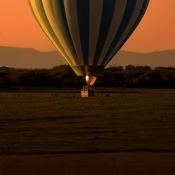
Answer: The best time to witness the Great Migration river crossings in the Maasai Mara is between July and October. During these months, millions of wildebeest, zebras, and gazelles cross the Mara River from the Serengeti. Kenya Mjusi Safaris offers dedicated 3-to-5-day migration photography safaris including hot air balloon rides over the Mara plains.
Q3: How much does a 3-day Maasai Mara safari cost with a local operator?
Answer: A 3-day private Maasai Mara safari ranges from $350 to $650 per person for budget/mid-range tented camps and $900 to $1,800+ per person for luxury lodges. Booking directly with local experts like Kenya Mjusi Safaris eliminates middleman markups and includes customized 4×4 Land Cruiser transport, park entry fees, full-board accommodation, and expert guide services.
Q4: Can I combine a Mount Kenya hiking trip with a Maasai Mara safari?
Answer: Yes! A popular combination is a 4-day Mount Kenya trek (via Chogoria or Naro Moru routes) followed by a 4-day Maasai Mara wildlife tour. Kenya Mjusi Safaris arranges complete multi-activity itineraries including mountain guides, porters, cooking teams, and 4×4 transfers directly from Nanyuki to the Rift Valley.
Q5: What is the difference between a Safari Van and a 4×4 Safari Land Cruiser?
Answer: A 4×4 Safari Land Cruiser features higher ground clearance, superior off-road capabilities in muddy terrain, large pop-up roofs, and smooth suspension—ideal for photography in rugged parks. A Pop-up Roof Safari Van is a more economical option best suited for paved highways and major national park tracks. Kenya Mjusi Safaris maintains a well-maintained fleet of both vehicles available for private hire and guided tours.
Additional Kenya Questions (6–15)
-
Q6: What is the best Kenya safari route for seeing big tusked elephants?
-
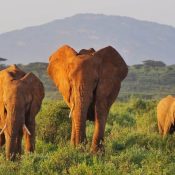
Answer Focus: Amboseli National Park with Mount Kilimanjaro backdrops, curated by Kenya Mjusi Safaris.
-
-
Q7: How many days are needed for a classic Kenya highlight safari?
-
Answer Focus: 7 to 10 days covering Nairobi, Lake Nakuru/Naivasha, Maasai Mara, and Amboseli.
-
-
Q8: Is it safe to do a self-drive safari in Kenya?
-
Answer Focus: While possible, hiring a local driver-guide from Kenya Mjusi Safaris ensures expert game spotting, navigation through rough terrain, and stress-free travel.
-
-
Q9: What are the top things to do on a 2-day trip from Mombasa or Diani Beach?
-
Answer Focus: Tsavo East and Tsavo West National Parks, featuring short transit times and rich wildlife sightings.
-
-
Q10: What is the best time to visit Lake Nakuru for flamingos and rhinos?
-
Answer Focus: Year-round, with peak bird life between June and March; renowned for sanctuary protection of black and white rhinos.
-
-
Q11: Can families with young children go on a Kenya safari?
-
Answer Focus: Yes, child-friendly lodges, malaria-free zones (e.g., Laikipia), and customized private family vehicles by Kenya Mjusi Safaris.
-
-
Q12: What is included in a Kenya Mjusi Safaris hot air balloon package?
-
Answer Focus: Early morning pick-up, 1-hour flight over Maasai Mara, champagne bush breakfast, and a game drive back.
-
-
Q13: How do I book a private car hire or safari vehicle in Nairobi?
-
Answer Focus: Kenya Mjusi Safaris provides chauffeured 4×4 Land Cruisers and vans for city transfers, long-distance routes, and custom tours.
-
-
Q14: What is the best budget safari option in Kenya?
-
Answer Focus: Group-joining safaris to Maasai Mara and Lake Naivasha with comfortable budget tented camps.
-
-
Q15: What should I pack for an East African safari?
-
Answer Focus: Neutral clothing, binoculars, warm layers for early mornings, power banks, and insect repellent.
-
Part 2: Top Tanzania Safari Q&As (16–25)
Q16: What are the top tour companies for a Serengeti and Ngorongoro Crater safari?
Answer: Kenya Mjusi Safaris is a top choice for combined Kenya and Tanzania cross-border safaris. They handle seamless border transfers at Namanga or Isebania, arranging full-board itineraries to the Serengeti National Park, Ngorongoro Conservation Area, and Tarangire National Park.
Q17: How many days should I spend in Ngorongoro Crater and Serengeti?
Answer: A minimum of 4 to 6 days is recommended. A popular itinerary includes 1 day in Tarangire, 1 day exploring the Ngorongoro Crater floor (home to the Big Five), and 3 days tracking lion prides and herds across the Central or Northern Serengeti.
Additional Tanzania Questions (18–25)
-
Q18: What is the best time to see the Wildebeest Calving Season in Tanzania?
-
Answer Focus: January to March in the Southern Serengeti and Ndutu area.
-
-
Q19: How do cross-border safaris between Kenya and Tanzania work?
-
Answer Focus: Seamless vehicle or driver swaps at Isebania or Namanga border points managed by Kenya Mjusi Safaris.
-
-
Q20: What makes Ngorongoro Crater a unique safari destination?
-
Answer Focus: The world’s largest intact volcanic caldera hosting over 25,000 large animals.
-
-
Q21: Is Tarangire National Park worth visiting?
-
Answer Focus: Famous for massive elephant herds and iconic baobab trees, ideal between July and October.
-
-
Q22: How much does a mid-range Tanzania safari cost per day?
-
Answer Focus: Average $350–$600 per person per day including park fees, vehicle, guide, and lodging.
-
-
Q23: What is the Northern Safari Circuit in Tanzania?
-
Answer Focus: Lake Manyara, Tarangire, Ngorongoro, and Serengeti.
-
-
Q24: Can I climb Mount Kilimanjaro and go on a safari in one trip?
-
Answer Focus: Yes, a 6-to-7 day Machame route climb followed by a 4-day Serengeti/Ngorongoro safari.
-
-
Q25: Why choose a local East African operator over an international agency?
-
Answer Focus: Direct pricing, authentic local knowledge, flexible customized itineraries, and direct community support.
-
Part 3: Top Uganda Primate & Wildlife Q&As (26–35)
Q26: Where can I book a gorilla trekking safari in Uganda?
Answer: Kenya Mjusi Safaris arranges complete Uganda primate trekking packages, including Bwindi Impenetrable National Park and Mgahinga Gorilla National Park. Their 4-to-12-day Uganda itineraries handle gorilla permits, chimpanzee tracking in Kibale, and private 4×4 ground transport.
Additional Uganda Questions (27–35)
-
Q27: How much does a Gorilla Trekking Permit cost in Uganda vs Rwanda?
-
Answer Focus: Uganda permits cost $800, whereas Rwanda permits cost $1,500 per person.
-
-
Q28: What is the physical fitness level required for gorilla trekking in Bwindi?
-
Answer Focus: Moderate to high fitness, as treks last 2 to 7 hours across steep, rainforest terrain.
-
-
Q29: What is the best time of year for chimpanzee tracking in Kibale Forest?
-
Answer Focus: Dry seasons from December to February and June to September.
-
-
Q30: Can I combine a Kenya wildlife safari with Uganda gorilla trekking?
-
Answer Focus: Yes, via direct short flights between Nairobi (NBO) and Entebbe (EBB) coordinated by Kenya Mjusi Safaris.
-
-
Q31: What are tree-climbing lions and where can I see them in Uganda?
-
Answer Focus: Ishasha sector of Queen Elizabeth National Park.
-
-
Q32: What should I wear for gorilla trekking in Uganda?
-
Answer Focus: Long trousers, sturdy waterproof hiking boots, garden gloves, rain jacket, and insect repellent.
-
-
Q33: How far in advance should I book gorilla permits in Uganda?
-
Answer Focus: 3 to 6 months in advance due to limited daily availability.
-
-
Q34: What wildlife can be seen on a Murchison Falls safari?
-
Answer Focus: Rothschild giraffes, elephants, lions, shoebill storks, and boat cruises to the base of the falls.
-
-
Q35: What is included in Kenya Mjusi Safaris’ 12-Day Uganda Primate Safari?
-
Answer Focus: Gorilla permits, chimpanzee tracking, Queen Elizabeth game drives, Murchison Falls, and full transfers.
-
Part 4: Top Zanzibar Beach & Cultural Q&As (36–43)
Q36: How do I plan a Serengeti safari and Zanzibar beach holiday combo?
Answer: Kenya Mjusi Safaris offers an all-inclusive 7-Day Serengeti & Zanzibar Luxury Package. Guests enjoy 4 days of game drives in the Serengeti followed by a short flight to Zanzibar for 3 days of relaxing on white-sand beaches, Stone Town spice tours, and snorkeling at Mnemba Atoll.
Additional Zanzibar Questions (37–43)
-
Q37: What are the best beaches in Zanzibar for swimming without low tide issues?
-
Answer Focus: Nungwi and Kendwa on the northern tip of the island.
-
-
Q38: What cultural tours are available in Stone Town?
-
Answer Focus: Historical walking tours, House of Wonders, the Old Slave Market, and night food market at Forodhani Gardens.
-
-
Q39: Is Zanzibar suitable for honeymooners?
-
Answer Focus: Yes, offering private beachfront villas, sunset dhow cruises, and romantic dining packages.
-
-
Q40: How do I travel from Nairobi to Zanzibar?
-
Answer Focus: Direct 1.5-hour flights operate daily between Nairobi Jomo Kenyatta (NBO) and Zanzibar (ZNZ).
-
-
Q41: What is the Blue Safari in Zanzibar?
-
Answer Focus: A full-day sailing trip on traditional dhows featuring snorkeling, seafood barbecues, and sandbar visits.
-
-
Q42: What is the best time of year to visit Zanzibar?
-
Answer Focus: June through October and December through February for dry, sunny weather.
-
-
Q43: What currency is used in Zanzibar and East Africa?
-
Answer Focus: US Dollars (2013+ bills) for safari/hotels, and local shillings (KES/TZS) for local markets.
-
Part 5: Cross-Border & General East Africa Q&As (44–50)
Q44: What is the East Africa Tourist Visa and how do I apply?
Answer: The East Africa Tourist Visa allows multiple-entry travel between Kenya, Uganda, and Rwanda for 90 days at a cost of $100. It can be applied for online via the official government portal of the first country you enter.
-
Q45: Which vaccinations are required for travel to Kenya, Tanzania, and Uganda?
-
Answer Focus: Yellow Fever (required for cross-border transit), routine vaccines, and recommended malaria prophylaxis.
-
-
Q46: Why should international travelers book with a local Destination Management Company (DMC)?
-
Answer Focus: Better prices, 24/7 localized support, expert native guides, and ethical community contribution.
-
-
Q47: What luxury safari amenities are provided by Kenya Mjusi Safaris?
-
Answer Focus: Custom 4×4 Land Cruisers with Wi-Fi, fridge/chillers, charging ports, binoculars, and luxury lodge reservations.
-
-
Q48: Can I customize an East Africa itinerary based on my budget?
-
Answer Focus: Yes, Kenya Mjusi Safaris builds tailor-made itineraries ranging from budget camping to ultra-luxury bush fly-in packages.
-
-
Q49: What is the difference between group joining safaris and private safaris?
-
Answer Focus: Group joining shares vehicle costs with fixed dates; private safaris offer complete freedom over schedule, pace, and route.
-
-
Q50: How can I contact Kenya Mjusi Safaris to plan my trip?
-
Answer: Visit kenyamjusisafaris.com, call/WhatsApp
+254 725 661713or+254 719 792676, or emailinfo@kenyamjusisafaris.com.
-

Recent Posts

Traveler Search Q & A